Sleeping customers: how to win them back without chasing them one by one

Every business with more than two years of history has a graveyard of customers. People who bought, came back a couple of times, and then vanished. They didn't leave angry, there was no argument: they simply stopped showing up. And there they still are, in the appointment book or the billing system, waiting for someone to write to them.
The problem isn't that they don't exist. The problem is that winning them back by hand takes time nobody has. Checking who hasn't come in for three months, writing something personal, waiting for a reply, following up... that's a part-time job that in practice never gets done. It stays on the "someday" list.
What a sleeping customer actually is
A customer who's gone for good isn't the same as one who has simply slowed down. A sleeping customer is someone who used to buy or book regularly and who has, for no apparent reason, gone past the normal interval between visits.
That interval depends on the business. At a hair salon it might be six weeks. At a car repair shop, eight or ten months. At a grocery store, fifteen days. The key is having that number clearly defined and using it as a trigger, rather than going by gut feeling every time someone "feels like" a certain customer hasn't been around.
Without that defined threshold, there's no way to automate anything: you're still relying on someone remembering.
Why chasing customers by hand doesn't scale
A business owner with a hundred active customers can, in theory, remember who's missing. With five hundred, it's impossible. And even if they do remember, writing a personalized message to each one, one by one, is time not spent serving the person who's actually in the shop right now.
The usual alternative — a mass WhatsApp or SMS campaign, the same for everyone — doesn't work well either: it's obviously generic, and on top of that it can breach platform rules if sent without proper consent.
The system that actually works: rules, not memory
The practical way to solve this is to replace human memory with an automatic rule: "if a customer hasn't come back in X days, trigger an action." That action can be a message, an alert for the team to call, or a specific offer.
This requires two things many businesses still don't have: a reasonably organized record of when each customer's last visit was, and a contact channel for which you already have permission to write.
With that in place, an automation system can check every day or every week who has crossed the threshold and send the message without anyone having to open a spreadsheet.
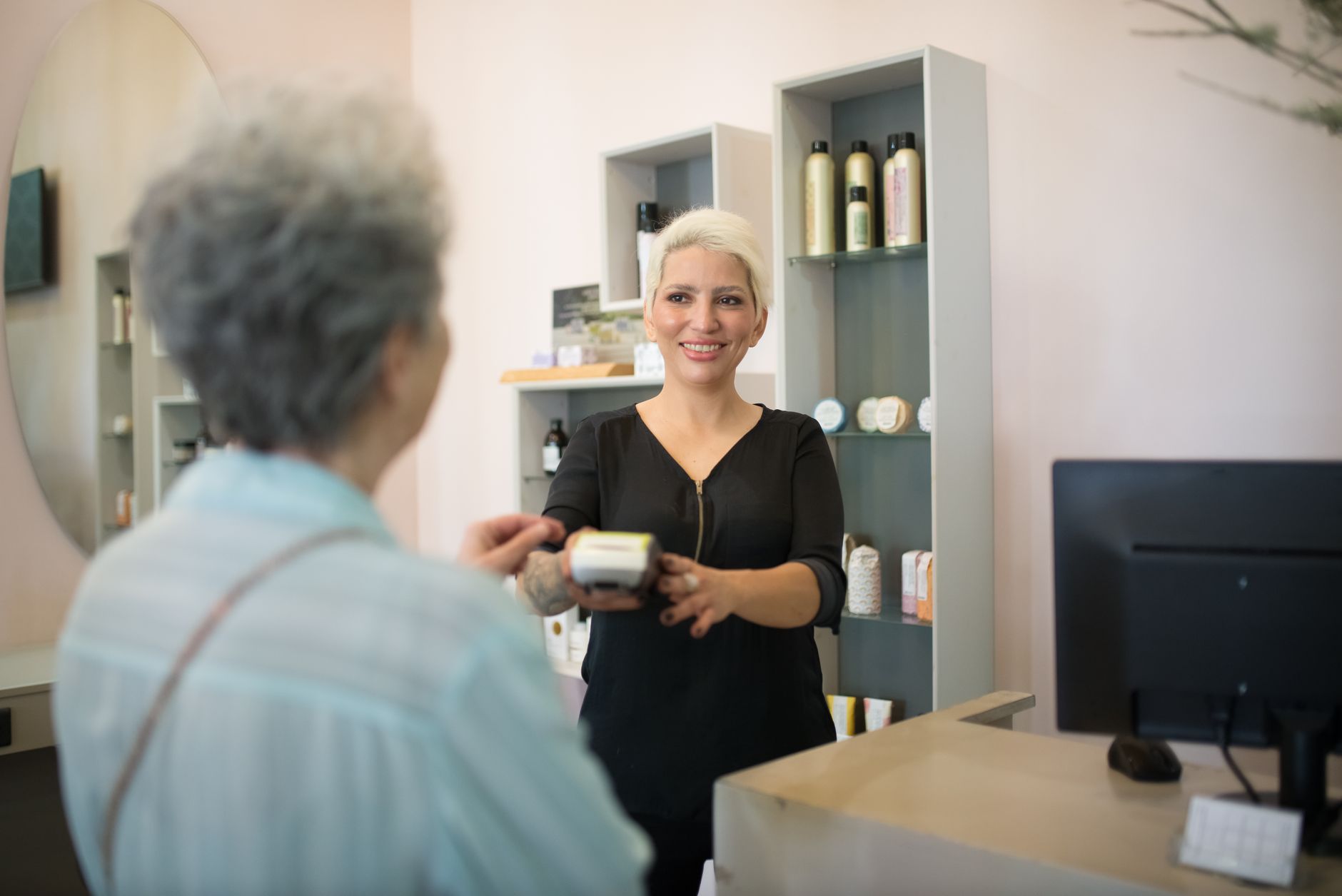
Foto de Kampus Production en Pexels
Hypothetical example: a hair salon in Vilagarcía
Imagine a hair salon with a digital calendar that logs each customer's last appointment. It's defined that after eight weeks without a booking, the customer moves into the "sleeping" category. The system automatically sends a WhatsApp message with a specific available slot that week, instead of a generic "we miss you."
This is a hypothetical example to illustrate the mechanism, not a documented result: the difference between a vague message and one with a concrete, easy action (booking that slot with one click) is usually what determines whether someone responds or ignores the message.
Hypothetical example: a car repair shop
Another hypothetical case: a shop that did the MOT or changed tires for a customer ten months ago can automate a preventive checkup reminder before the next MOT is due, instead of waiting for the customer to remember on their own. The message doesn't push a hard sell: it just recalls a date and offers an appointment.
In both cases the pattern is the same: detect inactivity through data, not memory, and respond with something specific and actionable, not a generic "come back, we love you" template.
Message categories matter, and so does cost
If the channel is WhatsApp Business Platform, the official API, distinguish sending rules from pricing. Templates fall into marketing, utility and authentication categories, and are the only message type you can send outside the customer service window. That window opens when the customer writes and resets for 24 hours after their latest message. Within it, a person or a third-party AI can reply with free-form service messages.
From October 1, 2026, being within those 24 hours no longer means every reply is free. Each business phone number receives 1,000 free service messages per month; from the 1,001st delivered message, the recipient market's utility rate applies, with no volume discounts for service. The allowance resets monthly and does not roll over. Utility templates sent within the window also become chargeable per delivered message: they do not share the 1,000-message service allowance. Details of the change and monthly allowance.
Commercial re-engagement after months of silence normally requires a marketing template. Its price depends on the market and current rate card; it is generally higher than utility pricing. Labelling it as utility does not make it cheaper: the category Meta assigns to the template when it is used determines the charge, and promotional content can be reclassified as marketing. A non-promotional reminder for an agreed appointment can qualify as utility; offering a new appointment to win back an inactive customer does not automatically make it a utility reminder. Meta's rates and categories.
One exception remains: if the customer arrives through a Click-to-WhatsApp ad or a Facebook Page call-to-action button and the business replies within 24 hours, a 72-hour window opens with free delivery of service messages and templates. The ad has its own cost. This billing exception does not extend permission to send free-form messages: if the 24-hour customer service window closes, you need a template. Conditions for the 72-hour window.
Since July 2026, Meta's own AI has had a separate category: Meta Business Agent. Since August 1, it has been billed at USD 2 per million tokens, including during the 72-hour window. This is not the category for every chatbot: free-form replies from third-party AI remain service messages, with the AI provider's costs charged separately. Meta Business Agent timeline and billing.
Before launching a campaign, calculate marketing templates and subsequent replies separately. Each delivered service message counts: splitting one reply into three messages uses three units of the allowance. Appointment reminders outside the 24-hour window were already chargeable before October. These changes apply to the official API; they are not a new per-message fee for the WhatsApp Business app.
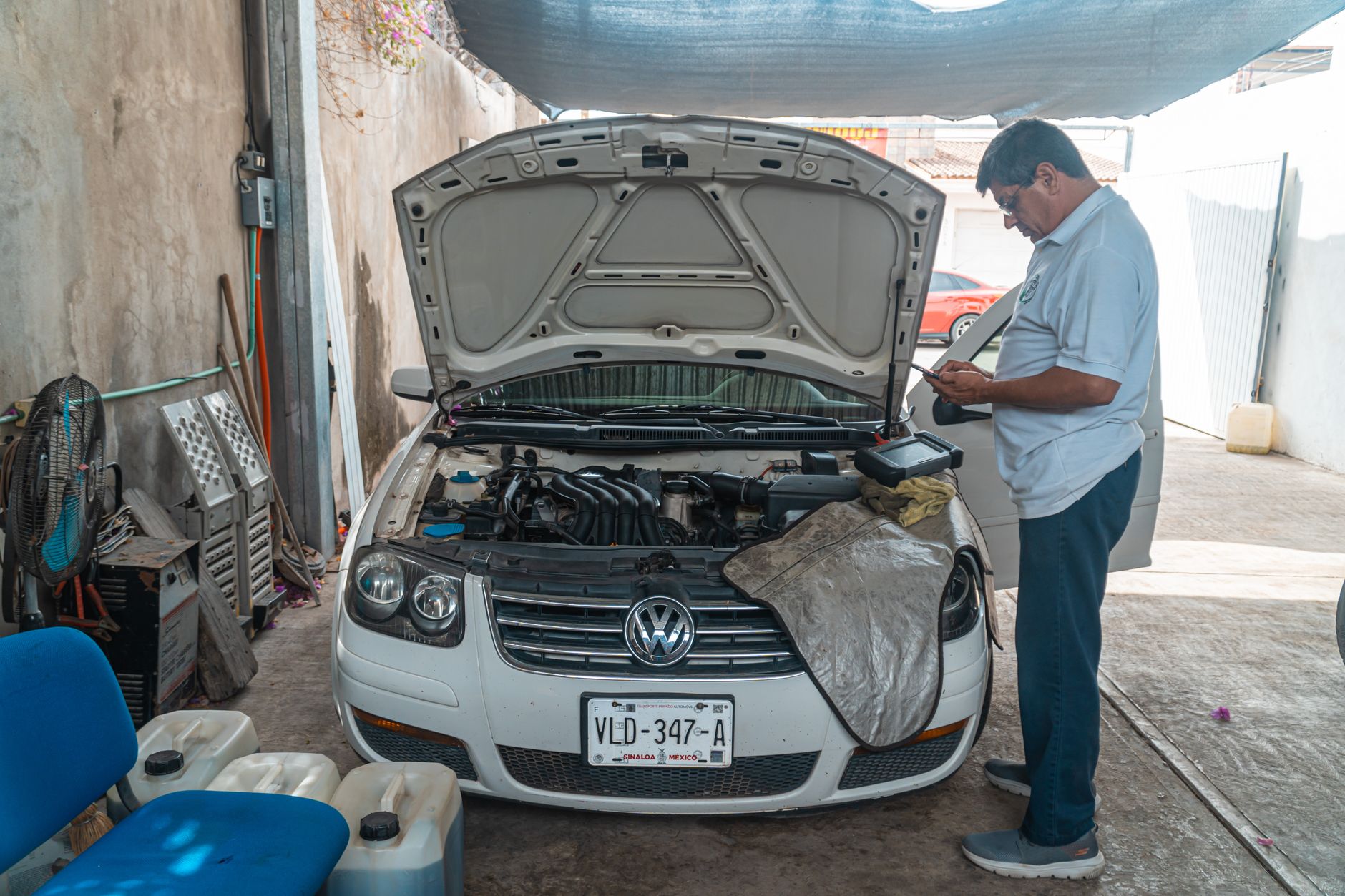
Foto de Jose Ricardo Barraza Morachis en Pexels
Which messages work and which don't
The messages that work best share three traits: they're brief, they offer something specific, and they make an immediate action easy (booking, replying yes/no, clicking). The ones that work worst sound like a mass marketing template, with no reference at all to that particular customer's prior relationship with the business.
A practical and reasonable difference: mentioning something real from their history ("last time you came in was in March for an oil change") instead of a generic greeting. This doesn't require sophisticated AI; it's enough for the system to know what they bought or booked last time and include it in the message.
Measuring whether re-engagement is working
It's not enough to send messages and assume things are improving. You should track, at minimum, how many sleeping customers receive the message, how many respond or book, and how many of those fall back into inactivity months later. Without those three numbers, there's no way to know whether the system is genuinely winning customers back or just generating noise.
Common mistakes when setting this up
The most common mistake is launching automation without proper opt-in in place, which besides being a compliance issue is a bad way to start with someone you're trying to win back. The second mistake is using an identical message for every inactivity profile, treating someone who's a month overdue the same as someone who hasn't shown up in two years: they're not the same customer and don't call for the same tone.
A third, deeper mistake is thinking automation replaces the relationship. It doesn't: it frees you from the repetitive part so the human touch can be reserved for when the customer replies and needs genuine attention.
How to start without overspending
You don't need a complex system to get going. All it takes is a clear inactivity threshold for the business, a list of customers with their last visit date and verified consent to write to them, and a well-thought-out message for the first test send. From there, automating the weekly trigger is the easiest technical part of the process; the hard part, and the one that really makes the difference, is defining well who gets written to and with what message.
Winning back sleeping customers isn't a one-off campaign, it's a process reviewed every month. Businesses that automate it well don't stop losing customers entirely — that will always happen — but they do reduce the number of people lost simply because nobody remembered to write to them in time.
Cover image: Amina Filkins on Pexels
Want to discuss this?
No public comments. But my inbox is open. If something resonates or grates, write to me.
Email me directly →